
By Bashir Opaluwa Idris
Provost, College of Education, Ankpa, Dr. Paul Femi Fashagba, has appealed to the Kogi State House of Assembly to increase the institution’s capital allocation in the 2026 budget to enable the college address critical infrastructural and operational needs.
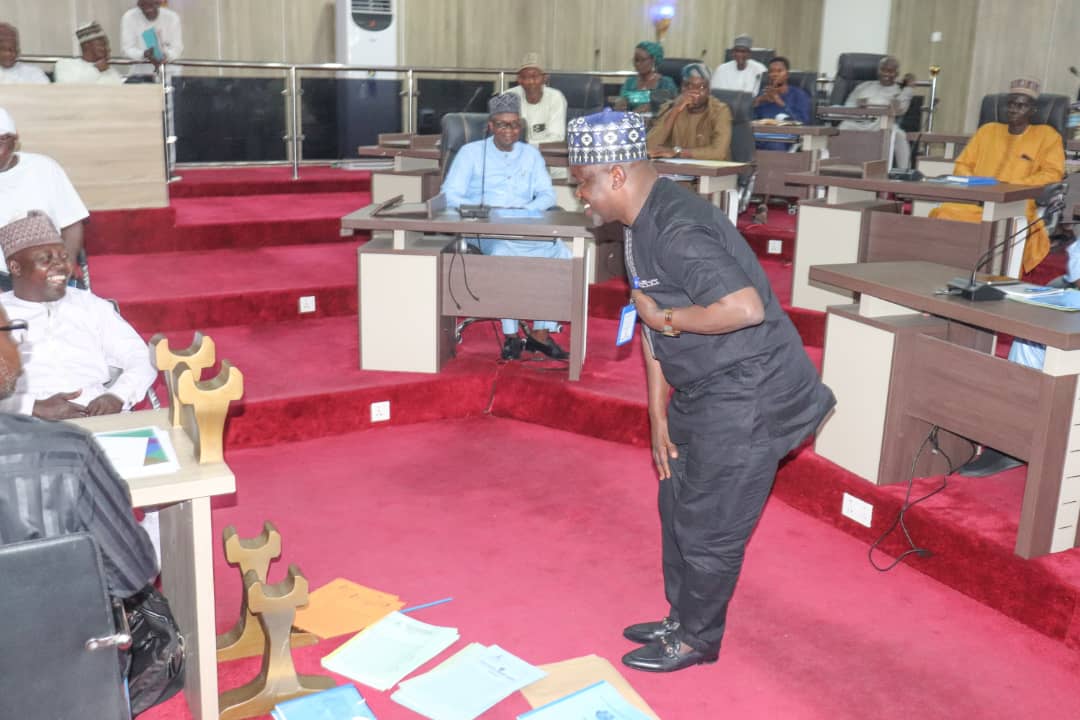
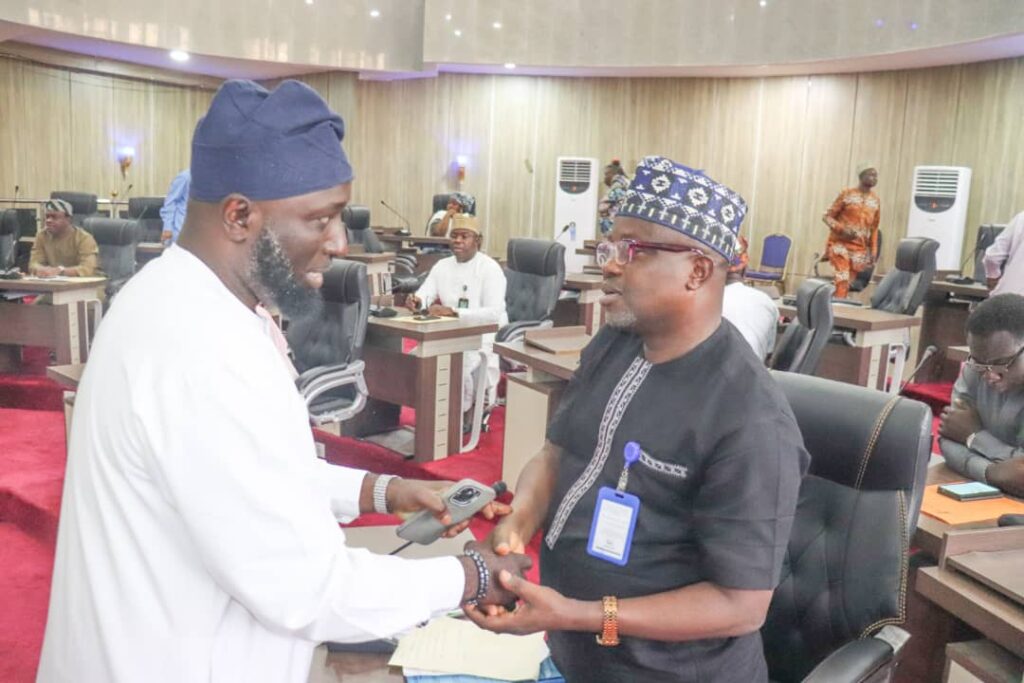
Dr. Fashagba made the appeal while defending the college’s 2026 budget before the House Committee on Education.
The Provost noted that although significant progress had been made in refurbishing key assets including classrooms, equipment, and grounded vehicles, the institution still faces major challenges requiring urgent government intervention.
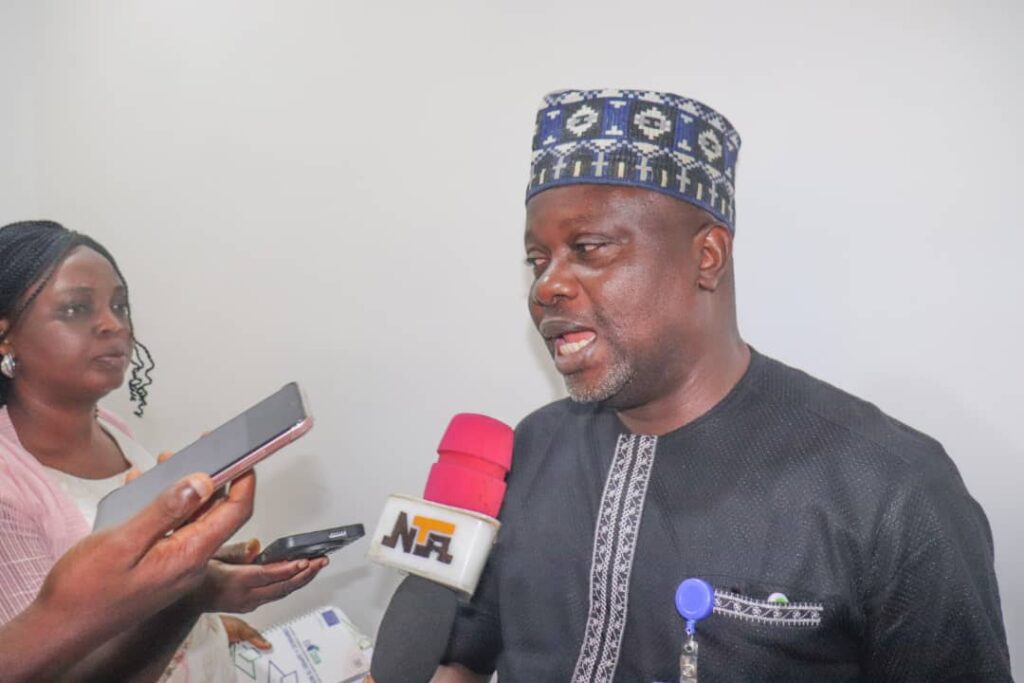
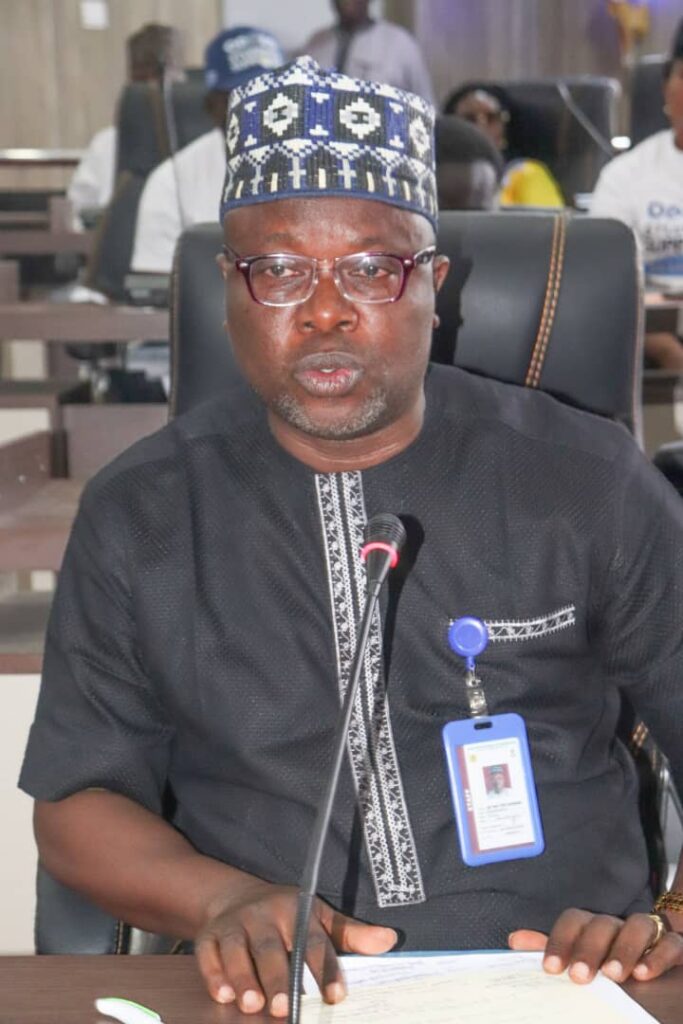
He identified the perimeter fencing of the college as a top priority, describing the current situation as “dangerous” and a threat to the safety of staff and students.
“We are appealing very strongly that our capital budget be enhanced to enable us embark on perimeter fencing. It has been a serious danger to the college.”
Dr. Fashagba also called for support in completing the internal road network of the college, stating that improved accessibility would contribute significantly to increasing student enrollment.
Another key concern, according to him, is the implementation of the government’s dual mandate policy for colleges of education.
According to him, dwindling enrollment into the National Certificate in Education (NCE) programmes makes the policy necessary for institutional sustainability.
“As it stands, the number of students coming for NCE enrolment goes down every day except we embrace this dual policy. We strongly appeal that the House helps us achieve it.”
On staffing, the Provost revealed that many staff members have retired while others seek transfers, creating manpower gaps that the institution can no longer manage.
“We need to recruit. We have written, and it is at the last stage. We appeal to the House to help us achieve this in the coming year.”
Dr. Fashagba further drew attention to the college’s responsibility over its secondary and primary schools, both governed by the state’s free education policy.
He explained that despite the lack of resources, the college must cater for staff welfare and the maintenance of the dilapidated school structures, which serve a large student population.
He therefore urged the Assembly to sustain or increase the capital vote to enable rehabilitation of the structures.
The Provost expressed gratitude to the House for past interventions, noting that previous budget reversals allowed the college to implement several key improvements within a short period.
